
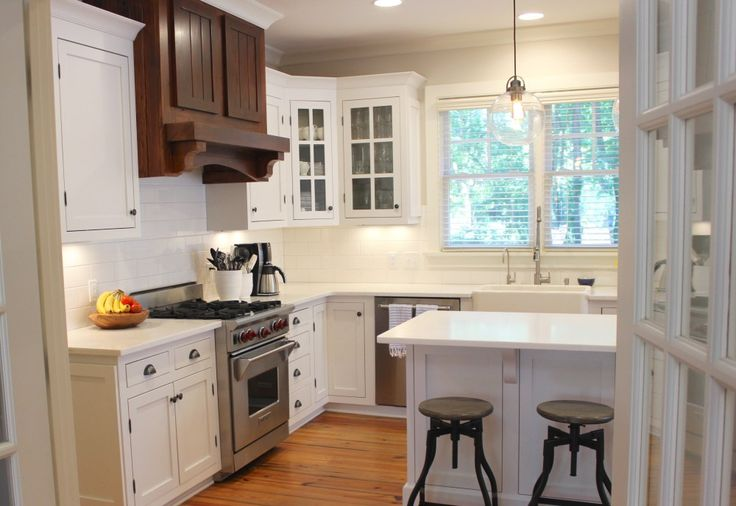
A top tier kitchen stove shifts everything in how meals come together and how the room breathes. With strength like a restaurant core, it delivers blistering heat plus fine tuned adjustments for real cooking work. Yet stepping up from regular models is not about fitting a bigger box where the old one sat. Their weight alone demands stronger floors while energy needs often exceed what typical circuits provide. Installation becomes a chain of choices involving rewiring, reinforcing, or sometimes shifting walls. Expert help is not optional because it is built into the process itself. Figuring out each step along with what it costs gives homeowners a clear picture when planning for new gear that must work well and stay safe over time. Getting everything set up right means the system supports daily cooking needs without surprise issues down the line.
1. Site Prep and Utility Review
Starting off right means checking what you have in terms of space, wiring, and gas lines before anything else happens. Heavy duty stoves take up more room front to back, so floors need to stand firm under serious weight. Exact measurements matter. Get the cutout size just right, including space for the door swing and surrounding shelves. A fraction too tight causes trouble later on.
Most changes show up around utility needs. When a gas stove runs hard, every burner demands steady pressure, so a bigger gas pipe may be necessary. These dual systems draw both strong gas flow and rely on their own 220 volt power feed. Matching those details to what already exists at home stops surprises when the appliance arrives. Placement matters just as much. Gas shutoffs and electric plugs must align precisely with factory points. Get it right and the unit fits tight to the wall, looking like part of the kitchen itself.
2. Ventilation Needs and Heat Control
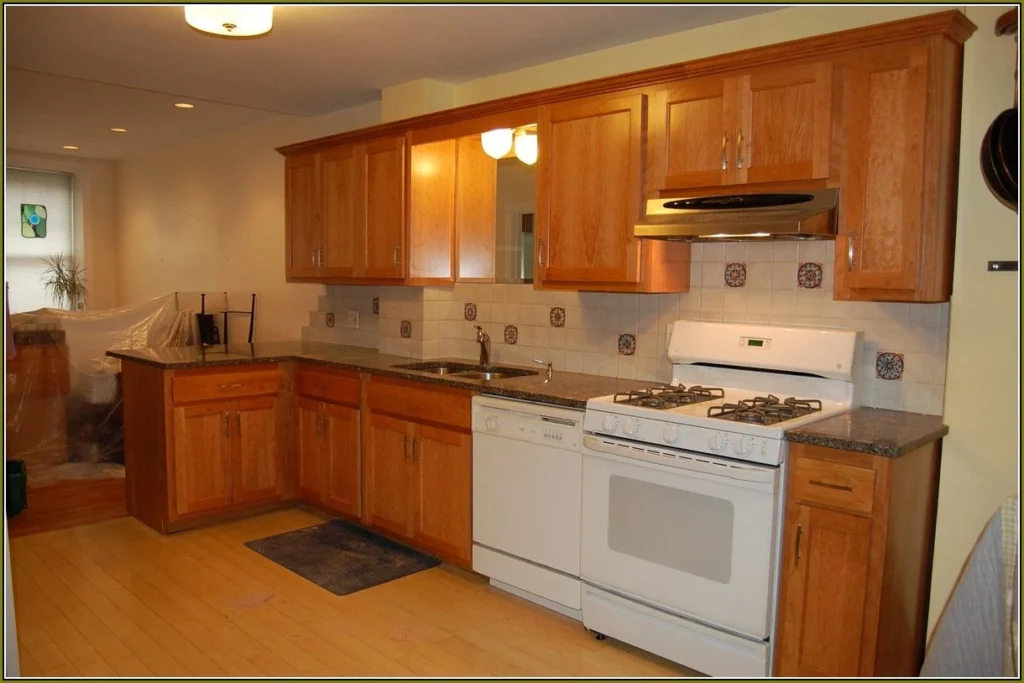
Heat from pro grade stoves pushes limits most kitchen vents cannot meet. When cooking kicks up heavy steam, basic microwaves mounted above will not keep pace. Instead, strong hoods built for BTU loads become necessary gear. Moving greasy air outside demands stiff metal channels that run straight outdoors. Matching airflow to burner strength keeps ceilings clear and walls dry.
Stopping heat from reaching nearby cabinets matters just as much as cooking space. When installing heavy duty stoves, leaving enough room around wooden walls avoids burning risks. If there is no tiled surface behind the unit, a metal shield could be necessary. The exhaust fan works best when placed three feet or slightly more above the burners. Airflow done right means less steam buildup over time plus fewer issues with dampness in hidden corners.
3. Gas Connection Safety Steps
A gas stove built for heavy use needs careful setup following strict safety rules. Expert workers pick strong, bendable pipes meant for gas, sealing each link with special paste or bright tape rated for fuel lines. After fitting everything together, they check each seam by brushing on a test liquid and watching closely for bubbles that mean leaks.
A wobble guard matters just as much as proper setup yet busy technicians sometimes skip it. Heavy oven doors can pull the whole appliance forward when opened wide, especially if bumped by someone leaning or a kid climbing up. Fastening the stove to solid surfaces follows local codes nearly everywhere while protecting everyone nearby. Experts test each burner fire during hookup, tuning airflow and fuel mix whenever flames look weak, yellowish, or unsteady for better performance.
4. Adjusting and Fine Tuning
Flatness matters right after hookup. A tiny slope might make grease gather on one edge of a skillet or leave cupcakes lopsided. Heavy cooktops usually have thick threaded feet that help balance things when the floor itself is not true. Lay a straight measuring tool over the burners, front to back and side to side, until no gap shows under either end.
As a small step, calibration makes sure the range works just right. Temperature accuracy gets confirmed by comparing the built in display with a separate thermometer. Each burner spark system is tested so every one fires up without delay. When convection mode exists, running the fan shows whether air moves evenly and operates quietly. Care taken now lets the owner trust everything functions exactly as it should.
5. Professional Installation Estimated Costs
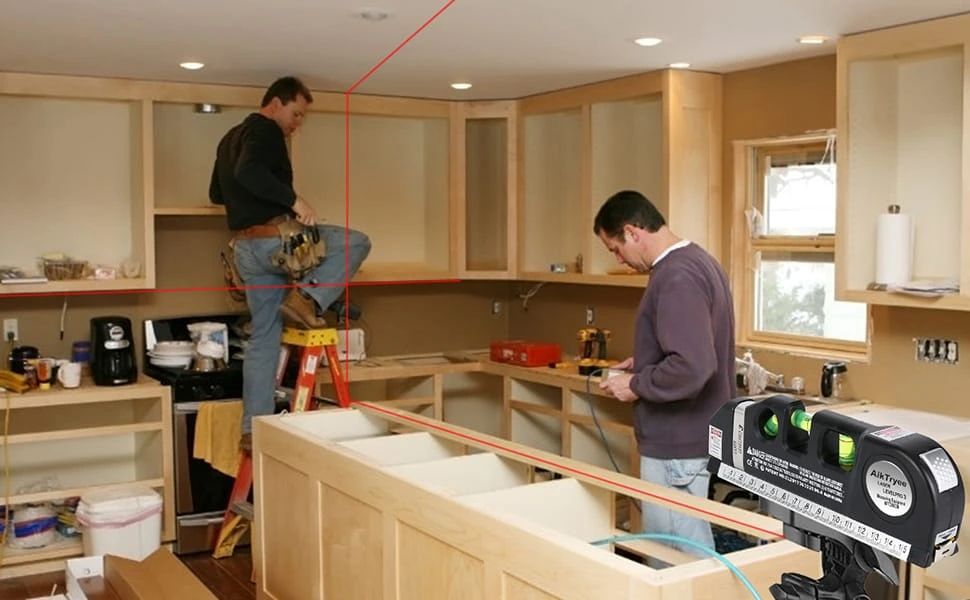
Putting in a high end stove can be pricier if your kitchen needs updates or the setup is tricky. When water, gas, or power lines are ready, most folks pay between three hundred and six hundred dollars. That price includes unpacking the appliance, sliding it into position, hooking up energy sources, and then testing everything so it runs safely. What you spend often depends on how much work comes before the cooktop even arrives.
When utility updates are needed, expenses climb fast. A fresh 220 volt circuit might run from five hundred to one thousand dollars based on how far it stretches from the breaker box. Switching to a wider gas pipe usually takes four hundred to eight hundred bucks. Should the kitchen demand a stronger exhaust vent routed outdoors, set aside five hundred up to fifteen hundred more for parts and work. These charges pile high yet without them, powerful appliances will not run right or stay safe.
6. Conclusion
A serious upgrade happens when pro style appliances move into your space. Getting everything right starts before the first box is unpacked. Power demands need review because overlooking them causes problems later. Leveling is not just about stability since it affects how parts work together. Calibration shapes consistency, especially under heavy use. Hidden expenses appear if wiring or gas lines need changes. Knowing what usually goes wrong helps avoid surprises. Planning around real numbers keeps decisions grounded. Details stack up quietly until they matter intensely.
Kick things off with a chat. Get in touch and we will send someone to check your space. That way you know exactly what it takes to set everything up right. Heavy gear needs careful handling. People who know their stuff make sure nothing goes wrong. Hookups for gas demand precision. Safety comes first when dealing with fuel lines. Air moves better when ventilation fits the room size. Fresh airflow stops buildup from cooking heat. Machines work best when balanced just right. Tiny adjustments at setup mean smoother results later on. Finding the right fit for your kitchen is easy when skilled hands stand by waiting to bring your vision to life. Reach out now and set a time that works to get started when it feels right.