
A kitchen gains new life when strong appliances move in. Because they do more, how they fit into the space really matters. Even tough machines run poorly if set up wrong. Heavy hoods need careful mounting, just like powerful gas systems demand exact hookups. Rules from makers and city inspectors shape every connection made. What works well starts long before the first meal cooks. This homeowner journey begins by learning what matters most. Handling each step carefully builds trust in the choices made along the way. Starting things right means fewer problems later, so time spent upfront pays quietly over many meals ahead.
1. Prepare Space and Check Utilities
Before delivery ever happens, careful planning shapes how well things go. Each high end machine needs exact room, airflow, and electrical setup. Start by using a tape measure on the spot meant for it. Include space above, beside, under, plus how far doors open. A floor that tilts just a little matters more than most think. Ovens may bake unevenly and dishwashers might leak if not flat.
Next up, utility links matter most. Though some cooktops run on regular power, high end ones usually demand heavier wiring or bigger gas pipes than typical homes have. A stove using both electricity and gas could require its own 220 volt line along with strong gas flow. When you look at what is needed ahead of time, it gives space for an approved worker to adjust things right. Matching house supply to appliance needs stops holdups and keeps circuits or pipes from getting too much strain.
2. Specialized Range Hood Setup and Venting
A good airflow system matters a lot in any serious cooking space. Heavy duty stoves pump out intense heat, moisture, plus oily particles into the air, needing quick removal. Putting up a stove cover is not only about fixing it to a wall. There has to be an unblocked route for tubing running straight outside.
How well a hood works ties closely to how wide and long the ducts are. Instead of bends, straight runs of solid metal pipe move air faster while cutting down sound. Most folks need to hang their hoods about thirty to thirty six inches up from the stove top. That spot pulls smoke efficiently yet leaves plenty of room to stir pots. With everything set right, kitchen cabinets stay safe from steam and indoor air stays clear.
3. Gas and Dual Fuel Range Setup
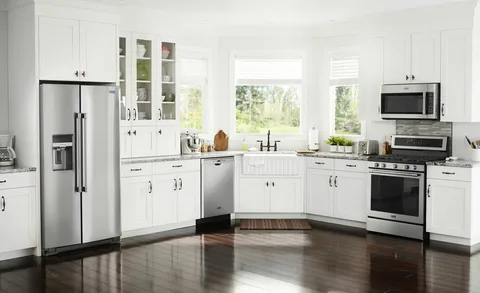
Getting a pro range set up needs know how plus careful attention to safety steps. With gas versions, the link has to seal completely, then checked for escaping gas by applying test fluid. Experts fit strong bendable hoses along with cutoff switches placed where they can be reached fast if trouble hits. Flame stability comes from matching the gas line pressure exactly to what the stove burners need.
Mixing gas tops with electric ovens makes dual fuel ranges trickier to set up. Handling both power sources takes attention right from the start. With everything plugged in safely, adjusting the feet brings the appliance into balance. Without level placement, heat spreads unevenly and grease might gather off center during cooking. After that, experts test burner sparks along with oven temperature accuracy so performance stays reliable day after day.
4. Dishwasher Fitting and Pipe Work
Today dishwashers tuck neatly into kitchen cabinets, giving a smooth finished appearance. Connecting them means linking up the water pipe, waste tube, plus electric service. Careful work matters since tiny leaks might harm floor materials after months go by. To stop grimy water flowing backward, fix the outlet tube in a high curve or attach it to an air break.
A shaky setup can make even a quiet model loud. Mounting the appliance solidly against nearby cabinetry stops wobbling during heavy loads. Perfect alignment matters more than most think. Tweaking the feet makes the seal tight every time the door shuts. When everything lines up right, leaks stay out and heat stays in. Long term performance hides in these small details. Noise fades into the background only if installation gets taken seriously.
5. Refrigeration and Built In Microwave Systems
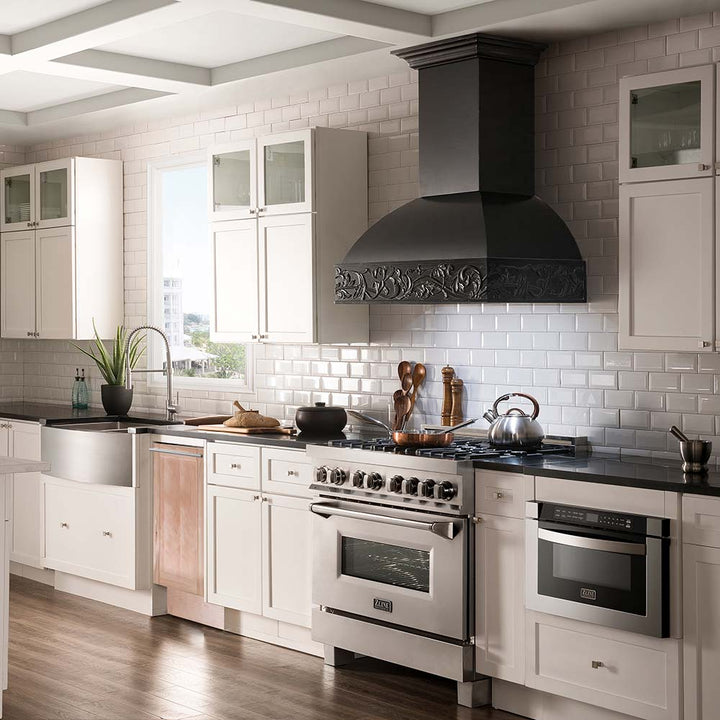
Heavy like stone, big fridges usually weigh more than anything else in the kitchen. A stable floor that does not tilt is needed before setting one down. Air needs space to move behind it, near the motor part. When there is an ice machine inside, water has to reach the spot somehow. Pipes made of strong copper or woven metal bring water without breaking easily.
Heavy duty cabinets hold built in microwaves and wall ovens securely while managing heat output. A particular trim kit usually finishes the look so it lines up with surrounding cabinetry. Dedicated electrical circuits keep power steady, avoiding shutdowns when demand spikes. Careful installation lets everything sit flush within the design, working smoothly and looking sharp.
6. Professional Testing and Calibration Matters
A test comes last when setting up an appliance. Each device runs through its routine just to spot shakes, odd sounds, or hookup glitches. Ovens often need a warm up stretch that burns away factory residue on heaters. Burners get tried at both ends to confirm gas moves right.
Getting things right matters when it comes to how well your oven cooks. Maybe the door needs a slight hinge fix or the heat levels require small tweaks. Experts who set up appliances connect maker standards with real home use, making sure everything runs as it should. A careful last look means confidence and knowing each piece works safely before anything hits the stove.
7. Conclusion
Getting pro level appliances at home feels good, lifts everyday living, and also boosts what your place is worth. Still, how well they work depends on how neatly they get put in. Know the specs and ready the spot right to keep things moving without hiccups when swapping out the old kitchen gear. You might lead it solo or have help nearby; either way keep sharpness close and never let go of safe moves while stepping through each part.
Imagine beginning a new chapter in your home. Our team steps in with hands-on experience when you are ready to upgrade. Complex installations fall right into our wheelhouse without fuss. Clean airflow matters, so we set up high capacity ventilation that works quietly. Cooking becomes smoother once ranges and ovens are placed just right through skilled fitting. Leaks stay away because dishwasher integration includes plumbing checks every time. We fine tune appliances individually so everything runs strong from the first use. Whatever you do, skip the guesswork. Get in touch now. Our experienced team will guide you through creating the kitchen you have pictured for years.